Regulation guide

Schedule 2, Reg. 15

14 Apr 2025

10

HU Taps

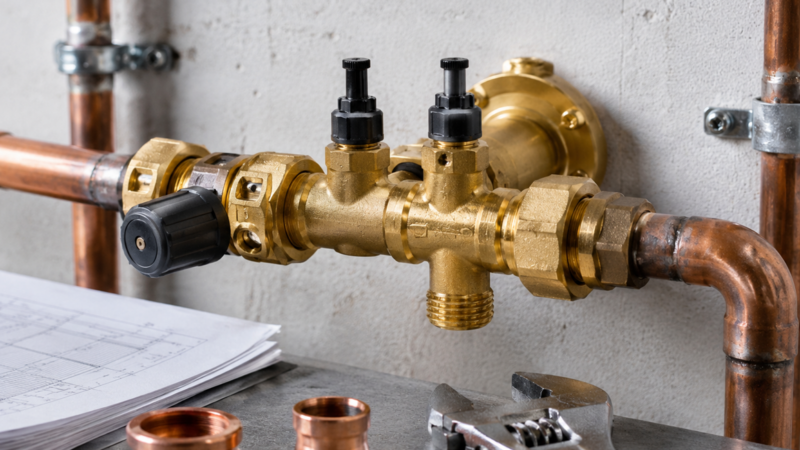
Backflow protection requirements for all wholesome-water fitting connection points under Water Supply (Water Fittings) Regulations 1999, Schedule 2, Regulation 15.

Backflow protection requirements for all wholesome-water fitting connection points under Water Supply (Water Fittings) Regulations 1999, Schedule 2, Regulation 15.

Technical specifications

Paste-ready values for this guide. The table is driven by the ACF specifications field.

PropertyValue
Fluid category3–5 (depends on downstream use)
Device familyED / BA / Type A air gap
Typical exampleHose-union tap, garden irrigation, washdown

Downloads

AIM January 2025 Issue 3 — RPZ Valve Approved Installation Method

AIM January 2025 Issue 3 — RPZ Valve Approved Installation Method

AIM-2025-03

Arrow Valves Double Check Valve Range Spec Sheet

Arrow Valves Double Check Valve Range Spec Sheet

AV-ED-2024

Arrow Valves RPZ Range — DN15 to DN50 Spec Sheet

Arrow Valves RPZ Range — DN15 to DN50 Spec Sheet

AV-RPZ-2025

Arrow Valves Type AUK3 Air Gap Assembly Data Sheet

Arrow Valves Type AUK3 Air Gap Assembly Data Sheet

AV-AUK3-2024

Related Insights

Relevant field notes, audit learnings and specification articles.

Insight

The proposed amendments to Schedule 2 and how they affect existing Category 4 installations.

Insight

Closed heating and chilled circuits are Category 4. A double check on the filling point is not enough.

Insight

Three common installations where specifiers under-specify protection — and what to fit instead.

Tools

Calculators and lookup tools that support this guide.

Enter pipe diameter and flow velocity to determine volumetric flow rate and recommended valve size.
Convert between DN, nominal bore, BSP thread sizes and common UK pipe materials.
Determine minimum Type A and Type B air gap dimensions per BS EN 1717.
Answer five questions about installation type, fluid category and pressure to receive a recommended valve.

Applications

Where this regulation topic most commonly appears in real buildings and systems.

Application

Residential

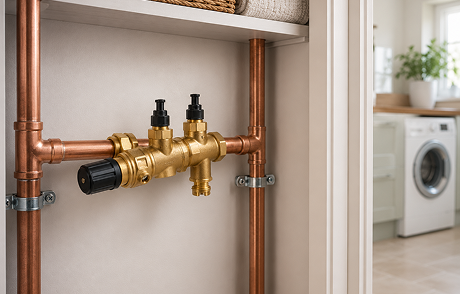
Domestic dwellings, flats, landlord stock and mixed-use residential blocks. Typical risks are hose-union taps, filling loops and garden irrigation.

Application

Healthcare

Hospitals, clinics, care settings and specialist clinical water systems. HTM 04-01 and Category 5 washdown dominate specification.

Application

Hospitality

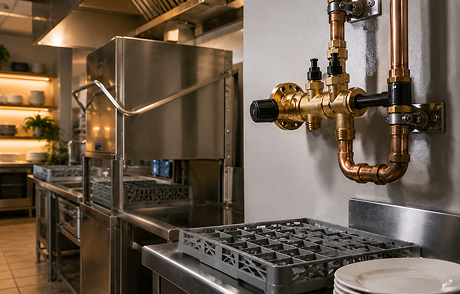
Hotels, restaurants, kitchens, laundries and guest washroom facilities. High-turnover fittings and hose-union points.

Application

Industrial

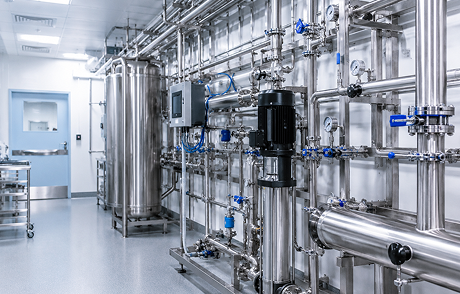
Process water, dosing, washdown, plant rooms and production services. Category 4 and 5 predominate.

Application

Leisure

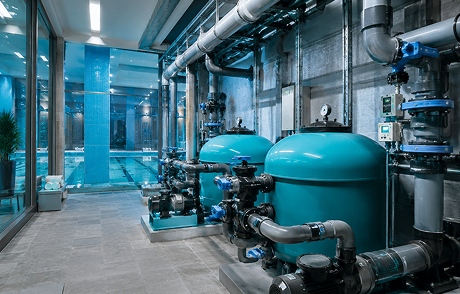
Gyms, spas, pools, sports facilities and public changing areas. Showers, hose points and chemical dosing.

Products

Product families commonly specified against this guide.

Quick Links

Downloads

3 documents

Related insights

4 articles

Related tools

1 tool

Applications

3 sectors

Need help specifying?

Our technicians can walk the current risk, the required device, and the assembly that satisfies AIM.

Regulation guide

Insights on

HU Taps

Insight

The proposed amendments to Schedule 2 and how they affect existing Category 4 installations.

Insight

Closed heating and chilled circuits are Category 4. A double check on the filling point is not enough.

Insight

Three common installations where specifiers under-specify protection — and what to fit instead.

Tools & calculators

Calculate, look up, decide

Enter pipe diameter and flow velocity to determine volumetric flow rate and recommended valve size.
Convert between DN, nominal bore, BSP thread sizes and common UK pipe materials.
Determine minimum Type A and Type B air gap dimensions per BS EN 1717.